Tornado in Burlington County: what to do about your roof
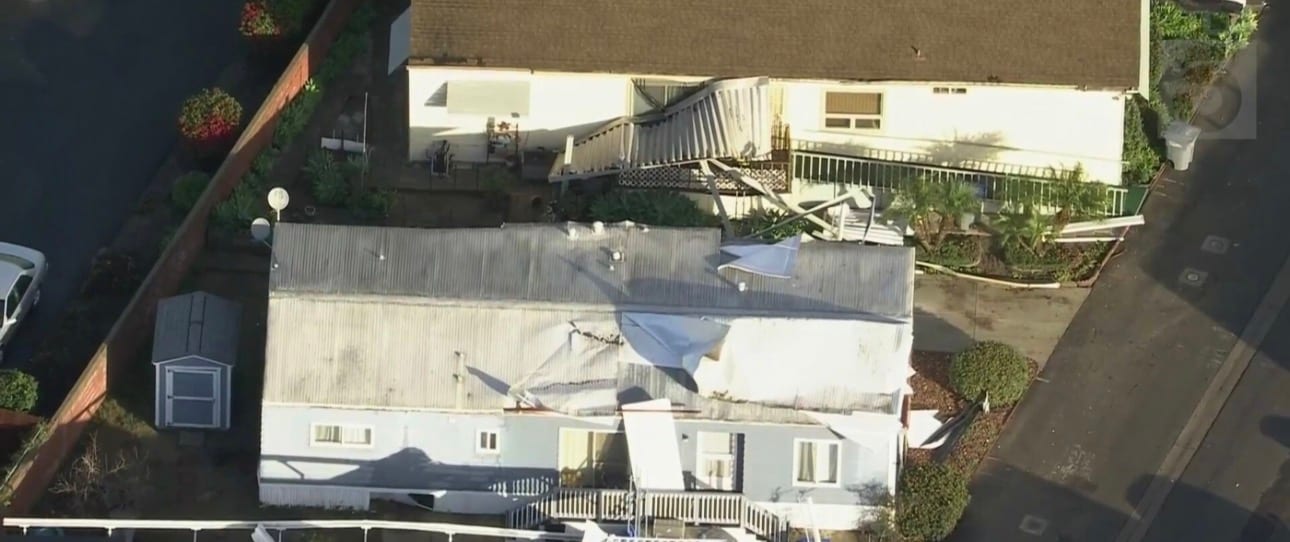
If a tornado in Burlington County damaged your home, stay off the roof. Look for damage from the ground, take plenty of photos, call your insurer, and get a registered contractor to cover any open spots. Plan permanent repairs once you know how bad it really is. Even a short, weak tornado can tear off shingles, bend flashing and drive debris through the roof deck, and some of that damage is easy to miss.
This guide is for homeowners in Burlington County and nearby parts of New Jersey, Pennsylvania and New York. There are also notes at the end for contractors who'll be slammed in the weeks after a storm.
First steps after a tornado in Burlington County
Before you worry about the roof, make sure nobody gets hurt. After a tornado you've got downed power lines, broken trees and damaged structures to deal with, and any of them can injure you.
Stay off the roof. A wet, damaged or debris-covered roof is dangerous even for pros. Leave roof work to trained crews with fall protection.
Watch for downed lines. Treat every fallen wire as live. Report it to your utility and stay away from it.
Smell gas? Leave. Get out of the house and call your gas company or 911 once you're outside.
Check the inside. Look at ceilings and the attic, if you can get up there safely, for drips, stains or daylight showing through.
Move valuables away from leaks. Set buckets under drips and get electronics and papers into a dry room.
If water is coming in near light fixtures or outlets, shut off power to that area at the breaker, but only if you can get to the panel safely. If you can't, call an electrician.
Common roof damage from tornadoes and high winds
Tornado damage isn't always obvious. A roof can look fine from the street and still start leaking months later. Here's what roofers tend to find after wind events:
Missing shingles. The easiest one to spot. Look for bare patches on the roof or shingles lying in the yard.
Lifted or creased shingles. Wind can lift a shingle, break its seal and fold it back down. You might see a faint line across it where it bent. These often leak later.
Debris punctures. Branches, flying boards and other debris can punch through shingles and the wood deck underneath.
Damaged flashing. The metal around chimneys, vents and skylights can bend or pull loose.
Gutter and fascia damage. Gutters can rip off, and sometimes they take part of the fascia board with them.
Siding damage. Vinyl siding cracks or blows off. Other types can get dented or punctured. Our Siding section has more on this.
Tree impact. A fallen tree can crack rafters or trusses. That's structural damage, and a pro needs to look at it before anyone walks on that roof.
Binoculars help from the ground. You can also zoom in with your phone and take photos from each side of the house.
Documenting roof damage for your insurance claim
Good photos make the insurance process go a lot easier. If it's safe, start documenting before you clean up or repair anything.
Photograph every side of the house from the ground. Get wide shots and close-ups.
Photograph any shingles, flashing or siding pieces in the yard before you pick them up.
Photograph interior damage like ceiling stains, wet insulation and damaged belongings.
Write down the date and time of the storm and when you first noticed each problem.
Keep receipts for tarps, emergency repairs, hotel stays and any other storm costs.
Call your insurer early. Every policy is different, so ask what's covered, what your deductible is, and whether they want to approve emergency work first. Some policies have a separate wind or hurricane deductible. Check with your insurer about how yours works.
A lot of roofers will take close-up photos of the roof during an inspection. Ask for copies. Dated photos taken up on the roof are hard to get any other way, and they help when you sit down with the adjuster.
Temporary repairs and what they cost
If your roof is open, the next job is keeping water out. Most insurers expect you to take reasonable steps to prevent more damage.
Emergency tarping should be done by a roofing crew, not a homeowner on a ladder. A pro knows how to secure the tarp so it doesn't blow off in the next storm or cause more damage.
Costs swing a lot depending on region, roof size, pitch and how busy crews are after the storm. Treat these rough ranges as a starting point only:
Emergency tarp: often a few hundred dollars up to around $1,000 or more for large or steep roofs.
Small shingle and flashing repairs: often a few hundred to about $1,500.
Partial or full roof replacement: for an average asphalt shingle roof in the Northeast, often $10,000 to $25,000 or more. Size, materials, the number of layers to tear off and deck repairs all move the price.
Don't sign a full replacement contract on the spot. Get the roof protected first, then take your time collecting estimates.
How to choose a roofer after a storm
After any big storm, out-of-town crews roll in. Some do good work. Others take a deposit and vanish. A little checking goes a long way.
Check registration. New Jersey requires most home improvement contractors to register with the Division of Consumer Affairs. Pennsylvania has its own home improvement contractor registration. In New York, licensing depends on the county or city. Look up the contractor's number before you sign anything.
Ask for proof of insurance. Get certificates for liability and workers' compensation.
Get it in writing. The contract should spell out materials, scope, price, payment schedule and start date.
Be careful with big deposits. Be cautious of anyone who wants most of the money up front.
Watch for pressure tactics. Be wary of "today only" prices or offers to "cover your deductible." If something sounds off, ask your insurer.
Confirm permits. Roof replacements usually need a permit in New Jersey and plenty of other places. Check local code with your town's building department and make sure the contractor pulls the permit.
Our Roofing section covers roof materials, inspections and what a good estimate looks like.
Notes for contractors working storm jobs
If you run a roofing or siding company in South Jersey, Bucks County or nearby, a tornado means a flood of calls in a short window. A few habits make it easier on you and the homeowner.
Put safety first on damaged roofs. Check for weakened decking, tree loads and nearby power lines before anyone goes up. Use proper fall protection.
Photograph everything before you touch it. Take dated before, during and after photos of each slope, every damaged area and any rotted or broken decking you uncover during tear-off. Adjusters want to see it, and so do homeowners.
Keep jobs organized. In storm season, photos from ten jobs can all run together on one phone. File them by address and label them as you go.
Communicate in writing. Send homeowners short updates and photo reports so they aren't left guessing.
Don't overpromise on insurance. Tell them what you found and let the homeowner and insurer sort out coverage.
For more on running a crew through busy seasons, see Contractor Business. CrewVisto Academy covers jobsite photo habits, including filing photos by job, adding notes and markup, and sharing PDF photo reports with homeowners.
You can follow regional storm and industry updates in Construction News.
Common questions
How do I know if my roof was damaged if I can't see anything missing?
Look for leaks or stains inside, granules piling up at the downspouts, and shingles in the yard. Wind can break the seal on shingles without tearing them off, and that's hard to see from the ground. A professional inspection is the only way to know for sure, and many roofers will document what they find with photos.
Should I wait for the insurance adjuster before getting repairs?
You should still protect your home from more damage, like getting a tarp put on. Call your insurer first if you can, and keep your receipts and photos. Check with your insurer before starting permanent repairs so you know what they need to see.
Is a tornado-damaged roof always replaced?
No. Plenty of roofs just need repairs to shingles, flashing or a section of decking. Full replacement makes more sense when the damage is widespread, the roof is already old, or you can't get matching shingles. A good contractor will tell you why they're recommending one over the other.
Do I need a permit to fix my roof in Burlington County?
It depends on the work. Replacements usually need a permit, and small repairs may not. Rules vary by town, so check local code with your municipal construction office or have your contractor confirm.
Can I tarp my own roof to save money?
Getting on a damaged roof isn't safe, especially when it's wet or covered in debris. Hire a roofing crew with the right safety gear. What you can handle is the inside of the house: buckets, moving your things and taking photos.
Guides and news for contractors and homeowners from the team behind CrewVisto.
This article is general information. Codes, prices and warranties vary by town and product; have a licensed contractor look at your situation before you start.
Comments
Loading comments…
Roofing and siding news for NJ, PA and NY homeowners: seasonal timing, pricing trends, permits, storm scams and what to ask your contractor this month.

Comments
Loading comments…