Roofing and siding news: what Northeast homeowners should know · CrewVisto Journal
Roofing and siding news: what Northeast homeowners should know
Roofing and siding news for NJ, PA and NY homeowners: seasonal timing, pricing trends, permits, storm scams and what to ask your contractor this month.
Roofing and siding news: what Northeast homeowners should know
For Northeast homeowners, the roofing and siding news that matters this month mostly comes down to timing. In New Jersey, Pennsylvania and New York, weather decides when crews can work, and that drives both schedules and prices. Permit rules and contractor registration laws are there to protect you too. This roundup covers what to watch for and what to ask your contractor, no matter what season you're reading it in.
We don't report rumors or make up numbers. If something depends on your town, your insurer or a manufacturer, we'll tell you.
The roofing and siding news that matters most right now
For most homeowners in the region, three things affect a project more than anything else:
Weather windows. Asphalt shingles seal best in warm weather. Vinyl siding expands and contracts as the temperature changes. Cold, wet or windy stretches slow crews down.
Contractor backlogs. Good local crews often book weeks or months out, especially from late spring through fall and right after big storms.
Local rules. Permits, inspections and contractor registration differ by state and town. Skip them and you can run into trouble when you sell or file a claim.
If you're planning a roof or siding job in the next few months, start getting quotes now. Wait until something leaks and you'll usually have fewer choices and a longer wait.
Seasonal timing in NJ, PA and NY
The Northeast gets four real seasons, and each one changes how roofing and siding work gets done.
Winter
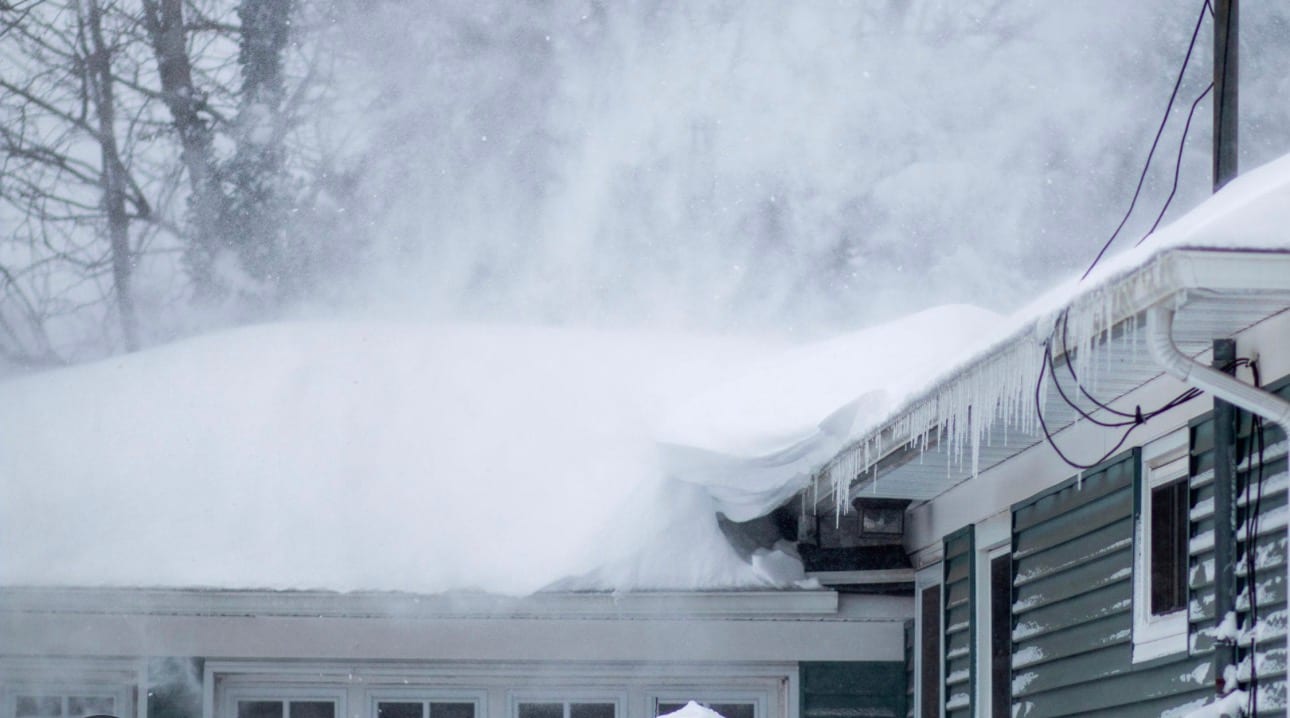
Winter brings ice dams, frozen gutters and shingles lifted by wind. A roof can still be replaced on milder days, but many shingle manufacturers have cold-weather installation guidance, like hand-sealing shingles. Ask your contractor how they handle cold-weather installs and whether that affects the warranty.
Icicles hanging off the eaves or water stains on ceilings near outside walls can point to ice dams. Don't climb onto a snowy or icy roof to chip ice off. Call a pro.
Spring
Spring is inspection season. Snow melt and heavy rain show you where the leaks, loose flashing and damaged siding are. It's also when contractors' phones start ringing nonstop. Book an inspection early and you'll have time to compare quotes.
Summer
Summer is prime install season, but the heat causes its own problems. Crews often start early to beat the hottest part of the day. Severe thunderstorms with wind and hail can damage a roof or siding fast.
Fall
Fall is a popular time for roofing and siding both. Temperatures are often just right for shingles to seal. It's also your last good shot at fixing problems before winter. Clean the gutters once the leaves are down so water can drain away from the roof edge.
For more on each season, browse the Roofing and Siding sections.
Prices and lead times: what to expect
We can't give you an exact price for your home, and anyone who does without seeing it is guessing. Costs depend on region, materials, roof pitch, how many layers come off in the tear-off, access and the condition of the decking or wall sheathing underneath.
As very rough ranges, a full asphalt shingle roof replacement on a typical Northeast home often lands somewhere between the high four figures and well into five figures. Metal, slate and cedar cost more. Vinyl siding on a whole house often runs into five figures, and fiber cement and engineered wood usually cost more than vinyl. Your quotes may come in above or below these ranges.
A few things tend to push the price up:
Multiple old layers that have to come off
Rotted decking or sheathing found after tear-off
Steep or complicated roofs with lots of valleys, dormers and skylights
Chimney flashing or masonry repairs
Older homes where lead paint rules may apply to siding work on pre-1978 houses
Ask every contractor how they'll price surprises like rotted wood. A clear per-sheet or per-foot rate written into the contract heads off arguments later.
Material prices and availability shift over time. If a quote has an expiration date, take it seriously, and ask whether the price is locked once you sign.
Permits, codes and contractor registration
This is where a lot of homeowners get caught off guard. Rules differ by state, and towns can add their own on top.
New Jersey uses the Uniform Construction Code, and home improvement contractors generally have to register with the state Division of Consumer Affairs.
Pennsylvania uses its Uniform Construction Code, though local adoption varies, and the Home Improvement Consumer Protection Act generally requires contractors to register with the Attorney General's office.
New York follows its state building code, but licensing for home improvement contractors is handled locally in many places, including New York City and several counties.
Whether your roof or siding job needs a permit depends on your town and the scope of work. Many towns require one for a full roof replacement. Code may also call for things like ice barrier membrane at the eaves in cold climates. Check local code or call your building department, and ask your contractor who's pulling the permit.
Ask for proof of insurance, too. A contractor should be able to show general liability coverage and, if they have employees, workers' compensation. If you're not sure what your own homeowners policy covers during a project, check with your insurer.
Storm damage and scams to watch for
After a big wind or hail event, out-of-area crews sometimes start knocking on doors. Some are legitimate. Some aren't. Watch for these warning signs:
Pressure to sign the same day
Demands for a large upfront payment in cash
No local address or registration number
Offers to "cover your deductible" or deal with your insurer for you
Refusing to put the scope of work in writing
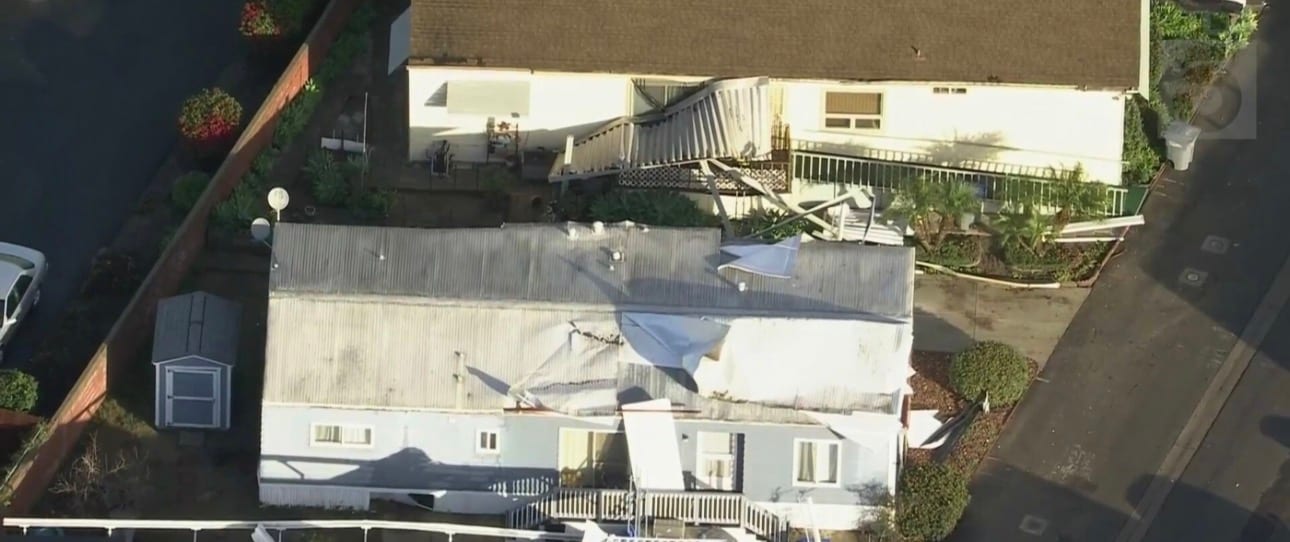
If you think your roof or siding got damaged, take photos from the ground, write down the date and call your insurer. Have a local contractor inspect it. Don't get on the roof yourself, especially when it's wet.
What contractors in the region should keep in mind
If you run a roofing or siding business in NJ, PA or NY, the same issues show up on your side of the table:
Keep registrations and insurance current, and make them easy for customers to verify.
Document conditions before, during and after. Photos of rotted decking, damaged flashing or hidden siding problems help explain change orders and back you up on warranty and insurance questions.
Put weather delay expectations in writing so homeowners aren't surprised.
Show your work. Homeowners comparing quotes want proof you've done similar jobs nearby.
CrewVisto is a jobsite photo app that files photos and videos by job, with date and time stamps, notes, labels and markup. It works offline and can turn photos into PDF reports or share links for homeowners. Learn more in CrewVisto Academy and the Contractor Business section.
What is the best month to replace a roof in the Northeast?
Late spring through early fall is usually easiest, since the warmth helps shingles seal. Fall is especially popular. Roofs can still be replaced in winter on milder days if the contractor follows the manufacturer's cold-weather guidance.
Do I need a permit for new siding or a new roof?
It depends on your town. Many towns in NJ, PA and NY require a permit for a full roof replacement, and some require one for siding. Check local code or call your building department, and confirm who's pulling the permit before work starts.
How do I check if a contractor is legitimate?
Ask for their state or local registration or license number, proof of insurance and a written contract. Look up their registration with the right state or local office. Ask for addresses or photos of recent jobs near you.
Can I fix a small roof leak myself?
We don't recommend climbing on a roof. Falls are a serious risk. You can safely put a bucket under the drip, move your belongings and take photos from inside. Then call a roofer to find and fix the source. For projects you can handle safely, see our DIY section.
Should I replace roofing and siding at the same time?
Sometimes it makes sense, especially if both are near the end of their life. Doing both at once can make flashing and trim details easier to coordinate. Get quotes for both together and separately so you can compare.
Guides and news for contractors and homeowners from the team behind CrewVisto.
This article is general information. Codes, prices and warranties vary by town and product; have a licensed contractor look at your situation before you start.
Comments
Loading comments…
Why NJ, PA and NY homeowners are pairing new siding with roofing, windows and trim, plus how to sequence, budget and plan a whole-exterior remodel.

Comments
Loading comments…