Roofing news for Northeast homeowners: what matters now
Most roofing news for Northeast homeowners right now falls into a few themes: winter ice and snow, storm damage and the scam crews that follow it, contractor licensing rules that differ by state, and the push for better insulation and ventilation. We don't repeat breaking headlines we can't confirm. This roundup covers what's actually shaping roofing in New Jersey, Pennsylvania and New York, with links to the official sources that post real updates.
Use it as a starting point. Then check the linked sources for anything that changed this week in your town or county.
The top roofing news topics in the Northeast right now
Homeowners and roofers in NJ, PA and NY keep running into the same issues. They come up every season, and they're where most new rules, warnings and advice show up.
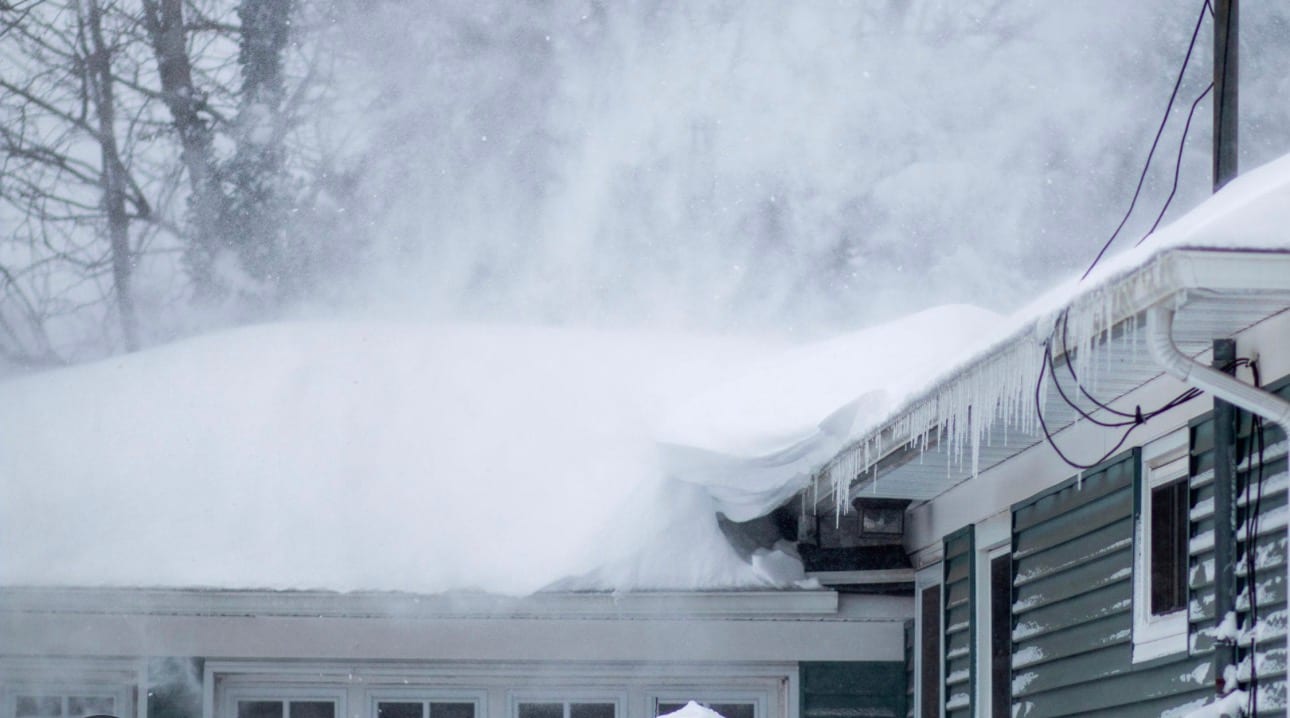
Winter weather and ice dams. Heavy snow, freeze-thaw cycles and poor attic airflow lead to ice dams and leaks.
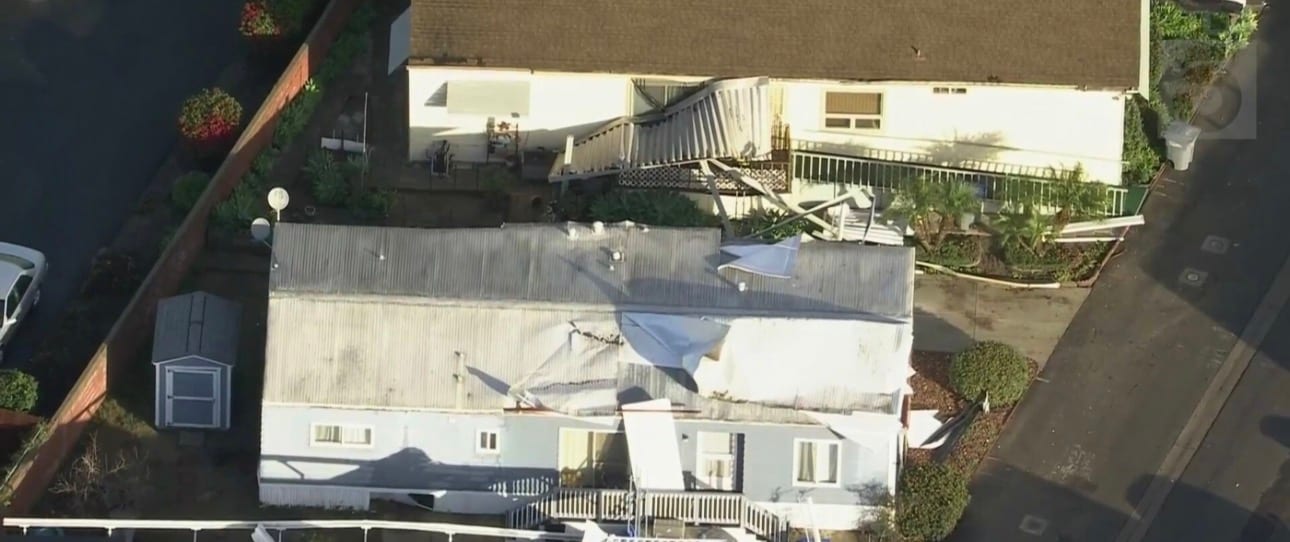
Storm damage and storm chasers. After wind or hail, out-of-area crews often knock on doors with high-pressure offers.
Contractor registration rules. Each state handles roofers differently, so know the rules before you sign anything.
Energy and ventilation. Building and energy codes keep changing, and that can affect insulation and venting during a reroof.
Material costs and lead times. Prices for shingles, metal and underlayment rise and fall with supply and demand.
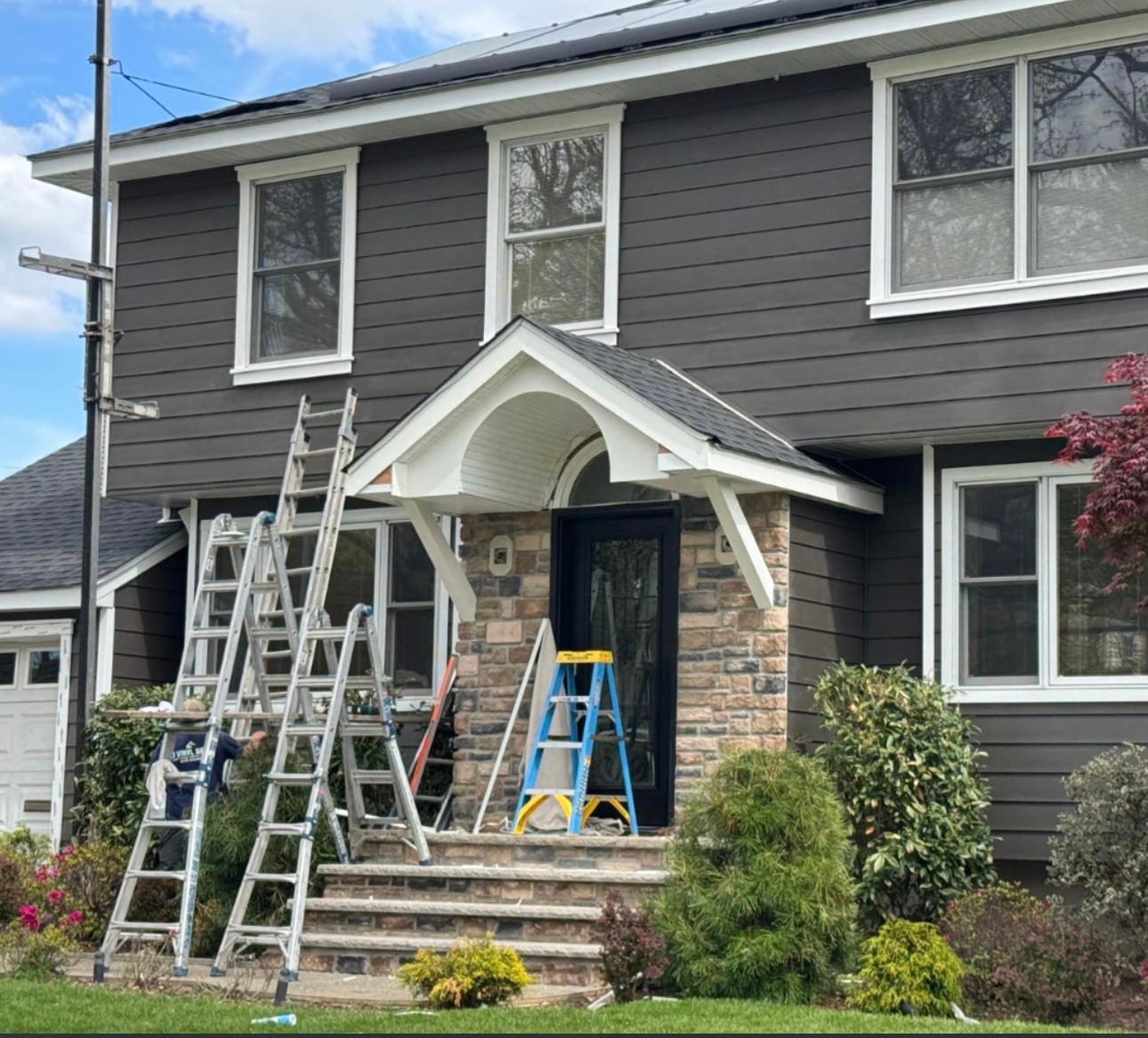
Roofs and solar. More homeowners are asking whether to replace the roof before the panels go on.
The Northeast throws everything at a roof: nor'easters, heavy wet snow, ice storms and summer thunderstorms. Each one is hard on it in its own way.
Ice dams start when heat from the house melts snow on the roof. The water runs down and refreezes at the cold edge. Then it can back up under the shingles and leak into walls and ceilings. The long-term fix is usually better attic insulation, air sealing and ventilation, plus ice and water shield at the eaves where local code calls for it.
Guides and news for contractors and homeowners from the team behind CrewVisto.
This article is general information. Codes, prices and warranties vary by town and product; have a licensed contractor look at your situation before you start.
Safety first: never climb onto a snowy or icy roof to clear it or look at damage. Use a roof rake from the ground if you can do it safely, and keep clear of power lines. Anything past that, call a pro.
Storm chasers and contractor rules in NJ, PA and NY
After a big storm you'll usually see out-of-state trucks on the street and flyers stuck in doors. Some of these crews are honest. Some take a deposit and disappear. Knowing your state's rules is one of the best ways to protect yourself.
New Jersey
New Jersey requires home improvement contractors to register with the state Division of Consumer Affairs. You can look up a contractor and read about your rights on the NJ Division of Consumer Affairs site. Ask for the registration number and check it before you sign.
Pennsylvania
Pennsylvania has a Home Improvement Consumer Protection Act. Most home improvement contractors have to register with the Office of Attorney General. You can search registrations and file complaints through the Pennsylvania Attorney General.
New York
New York doesn't have one statewide home improvement license. Licensing is handled locally. New York City licenses home improvement contractors through the Department of Consumer and Worker Protection, and several counties, including Nassau, Suffolk and Westchester, run their own programs. Check with your city or county.
In any state, get a written contract, ask for proof of insurance, and find out whether your town requires a permit. Permit rules for reroofing vary, so check local code.
Codes, energy and what changes during a reroof
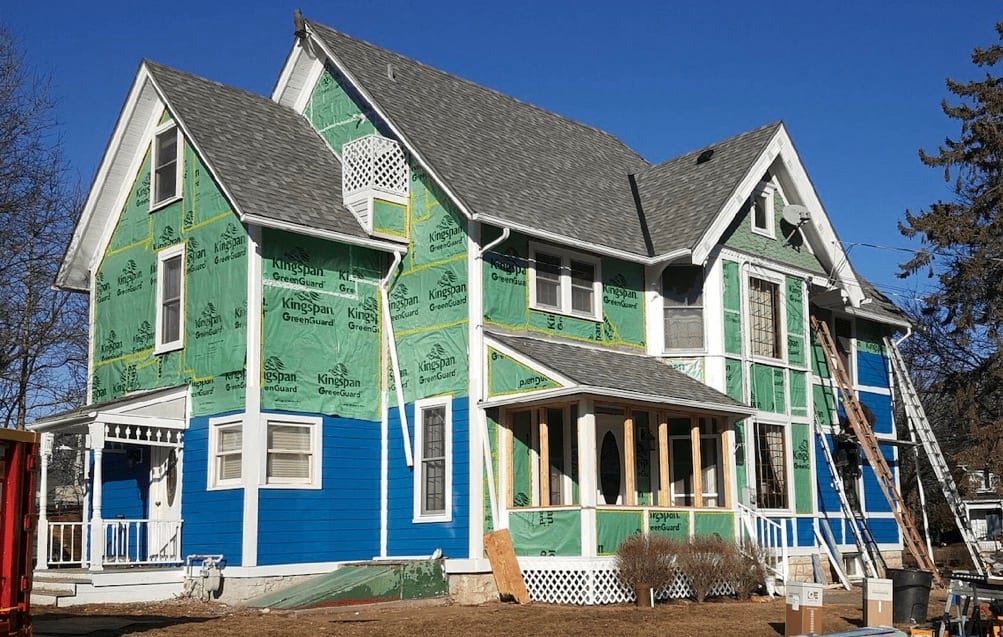
States and towns update their building and energy codes every so often. When you replace a roof, some of the newer rules may apply. That can mean extra underlayment, ice barrier at the eaves, more attic ventilation, or a cap on how many layers of shingles can stay on the roof.
What applies to your house depends on your local code and the shingle manufacturer's install instructions. A good roofer will lay this out in the estimate instead of springing it on you halfway through the job.
If you want to read more on roofing best practices, the National Roofing Contractors Association is a trade group that puts out general roofing info. For the basics on energy-saving roofs and insulation, see ENERGY STAR.
Costs, materials and solar questions
Roof prices in the Northeast move with material costs, labor demand and the time of year. A full asphalt shingle replacement on a typical home can run anywhere from several thousand dollars to well over $20,000. Metal, slate and bigger or steeper roofs cost more. Costs vary a lot by region, materials and the house itself, so get two or three written estimates for the same scope of work.
Lead times also stretch out after big storms, when lots of homes need work at once. If your roof is getting old but isn't leaking yet, planning ahead keeps you out of that rush.
Thinking about solar? Many roofers and solar installers suggest replacing an older roof first, because the panels have to come off if the roof gets redone later. Ask both your roofer and your solar installer how the roof's age compares to the panels' expected life.
For roofers working in NJ, PA and NY, these same topics drive the business side. Keep your state or local registration current. Watch for code updates in the towns you work in. After storms, homeowners are wary, and clear proof of past work does a lot to earn their trust.
Dated before, during and after photos help homeowners, inspectors and any insurance paperwork the homeowner handles. For tips on running a tighter operation, see our Contractor Business section and the CrewVisto Academy.
Common questions
Where can I find today's roofing news for my area?
Check the National Weather Service for storm alerts, your state consumer protection office for contractor warnings, and your town's building department for permit and code changes. Local news outlets also cover storm damage and scams after major weather.
How do I know if a roofer is legit in New Jersey, Pennsylvania or New York?
In NJ, check registration with the Division of Consumer Affairs. In PA, search the Attorney General's contractor registration. In NY, check with your city or county, since licensing is local. Also ask for proof of insurance and local references.
Should I get on my roof after a storm to check damage?
No. Roof work is dangerous, especially when the roof is wet, icy or damaged. Look from the ground with binoculars, check your attic for leaks, and have a qualified roofer inspect it.
Will my insurance cover storm damage to my roof?
It depends on your policy, what caused the damage and the condition of your roof. Check with your insurer before you sign anything a contractor hands you about a claim.
Do I need a permit to replace my roof?
Many towns require one, but the rules vary. Check local code or call your building department, and ask your roofer who's pulling the permit.
Roofing and siding news for NJ, PA and NY homeowners: seasonal timing, pricing trends, permits, storm scams and what to ask your contractor this month.

Comments
Loading comments…