Siding and the whole-exterior remodel trend in the Northeast
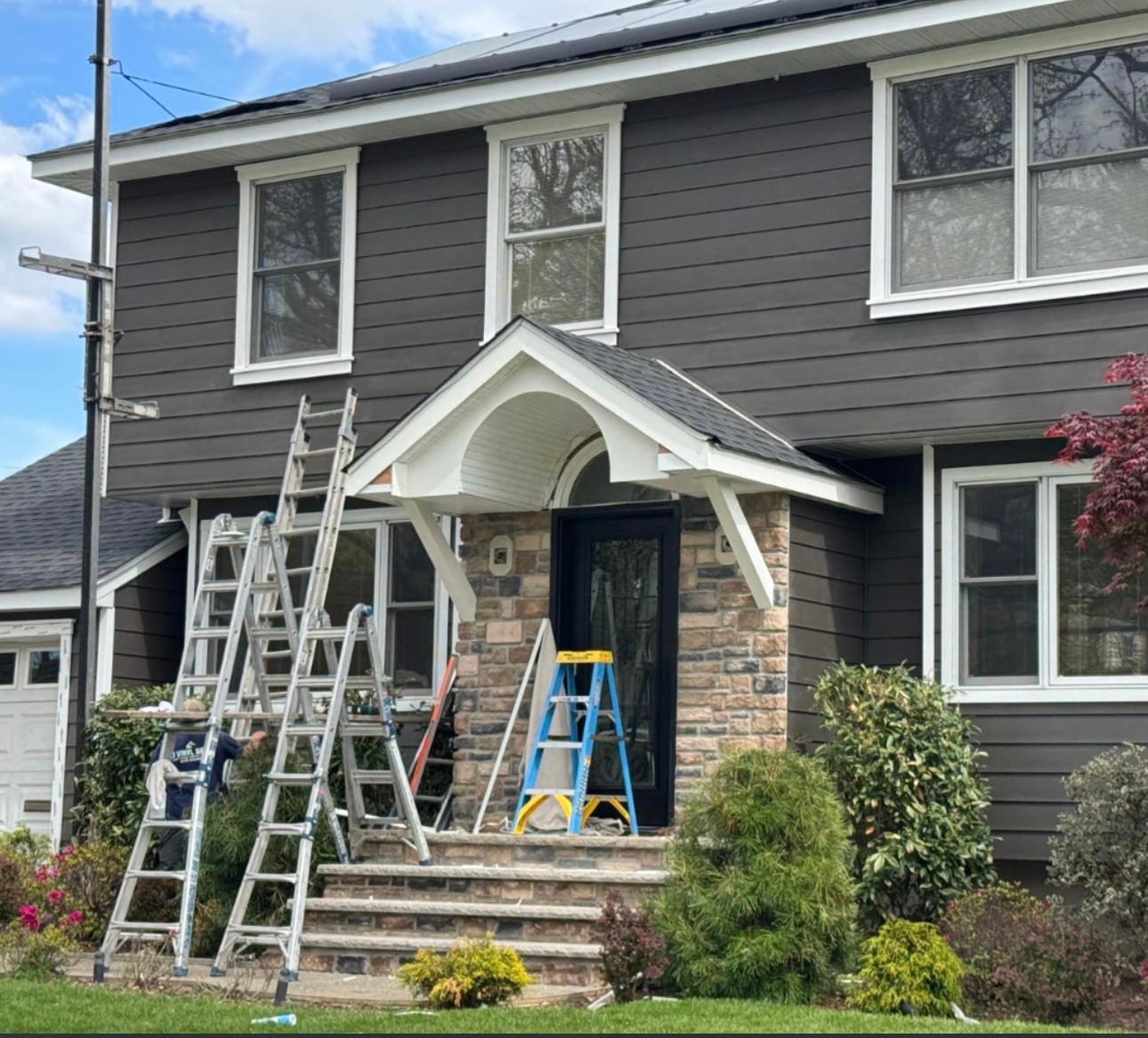
More homeowners in New Jersey, Pennsylvania and New York are turning a siding job into a whole-exterior remodel. Instead of replacing siding alone, they redo the roof, windows, trim, gutters and sometimes the entry door in one planned project. The reasons are practical. These parts of the house protect each other from water, and doing them together usually means fewer tear-outs, cleaner flashing details and one finished look. It isn't right for every home or every budget. But it's worth thinking through before you sign for siding alone.
Below we'll go over what a whole-exterior project usually includes, why it makes sense in the Northeast, what order the work should go in, and how homeowners and contractors can plan it well.
What a whole-exterior remodel usually includes
There's no official definition. In practice, a whole-exterior remodel bundles two or more of these:
Siding (vinyl, fiber cement, engineered wood, or other cladding)
Roofing, including underlayment, flashing and ventilation
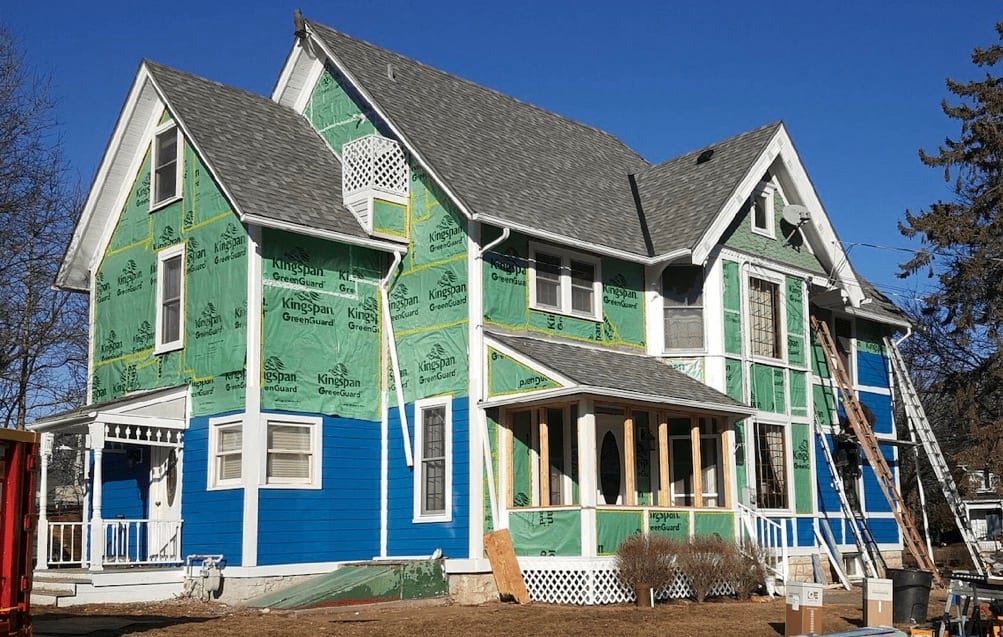
House wrap and, sometimes, added exterior insulation
Smaller items like shutters, lighting, porch ceilings or railings
Some homeowners do it all at once. Others spread it over a few years but design it as one project from day one, so colors and details match and nothing gets torn out twice.
Why Northeast homeowners are bundling siding with other work
The Northeast has a lot of older housing. Plenty of homes here have been re-sided, patched or painted several times. When a crew pulls off old siding, they often find tired sheathing, missing flashing around windows, or old wood clapboard hiding under a newer layer. Those problems are easier to fix while the walls are already open.
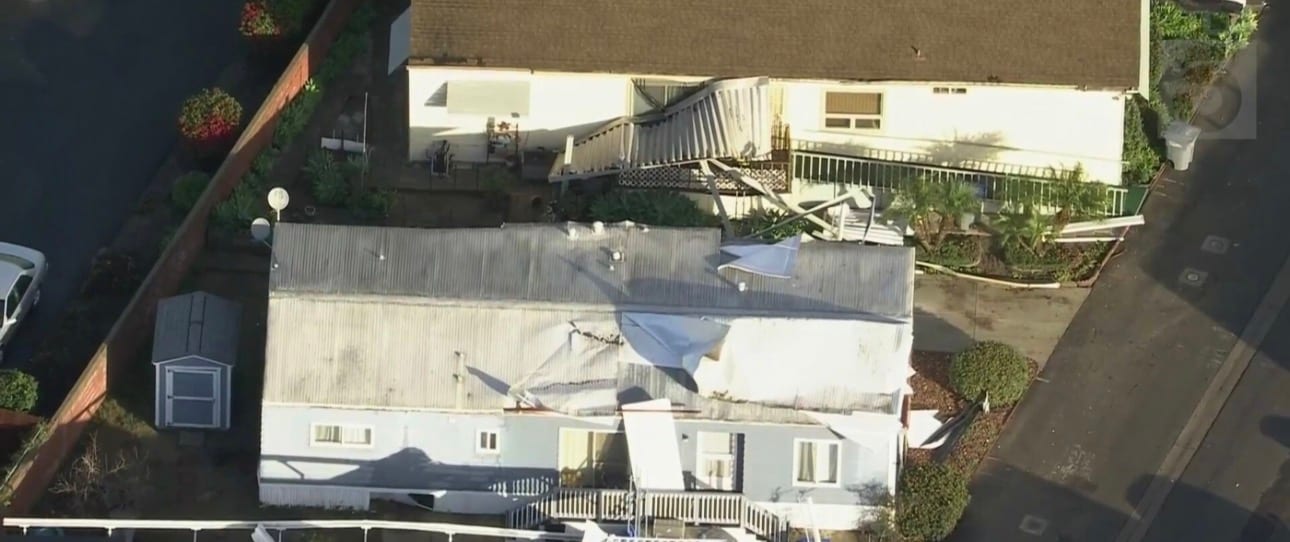
Weather is the other big driver. Freeze-thaw cycles, wind-driven rain, nor'easters and ice dams are hard on a house. Water problems usually show up where materials meet: where the roof meets a wall, where a window meets siding, where a gutter dumps onto a corner. When one crew or one coordinated team handles all of those joints, it's easier to get the flashing and the water path right.
People bring up a few other reasons too:
One disruption instead of several. You deal with dumpsters, ladders, noise and landscaping damage once.
A matched look. Colors, trim widths and gutter profiles get picked together.
Energy upgrades. Replacing siding is a natural time to add house wrap or insulation and seal air leaks around windows. Actual savings depend on the home and how it's built.
Resale. Buyers notice curb appeal, though nobody can promise a specific return.
Order matters because each layer has to shed water onto the next one. A typical sequence goes like this:
1. Roof first. The roof sends water down the walls. Step flashing and kickout flashing where roofs meet sidewalls have to tie into the wall correctly. Doing the roof first lets the siding crew finish those details cleanly. 2. Windows and doors next. New windows should be flashed into the wall before siding goes on. Swap windows after new siding and you'll often end up cutting into the new work. 3. House wrap, trim and siding. With the roof and openings done, the crew puts on the weather barrier, then trim and cladding. 4. Gutters and downspouts last. They hang on finished fascia and should carry water well away from the foundation.
That's the general pattern, not a rule for every house. A good contractor will tell you the order for your home and why. Roof work is dangerous and should always be done by trained, insured pros. Our Roofing and Siding sections go deeper on each trade.
What it costs and how to budget
Costs swing a lot depending on region, materials, house size, access and what turns up under the old siding. Treat these as very rough ranges for a typical single-family home, not quotes:
Siding replacement: often from the mid-teens of thousands into the $40,000s or more, depending on material and home size. Fiber cement and premium products usually cost more than standard vinyl.
Roof replacement: commonly around $10,000 to $30,000 or more for asphalt shingles, higher for steep, complex or specialty roofs.
Windows: often several hundred to well over $1,500 per window installed, depending on type and size.
Gutters, trim and soffit: usually a smaller share of the total, but it adds up on bigger homes.
Some budgeting tips:
Hold back a contingency, often 10 to 20 percent, for rotted sheathing or framing found during tear-off.
Ask for line items. Even with one contract, you should see what each part costs.
Phase if you need to, but pick colors and details up front so later phases match.
Look into financing and rebates carefully. Some energy programs exist at the state or utility level. Rules change, so check current terms directly.
Permits, older homes and local rules
Permit rules for siding, roofing and windows vary town by town across New Jersey, Pennsylvania and New York. Some towns require a permit for re-siding or re-roofing and some don't. Historic districts may add a review of materials and colors. Always check local code before work starts, and expect your contractor to pull the permits.
Many Northeast homes were built before 1978, so old trim and siding may have lead paint. Federal rules require contractors who disturb painted surfaces in those homes to be certified and follow lead-safe work practices. Ask about it.
Contractor registration differs too. New Jersey and Pennsylvania have state-level home improvement contractor registration. In New York, licensing is often handled by the county or city. Ask for registration numbers and proof of insurance, and check with your insurer if you have questions about coverage during the project.
What contractors should know
For contractors, this trend means a shot at bigger, better-planned jobs. It also means more coordination.
Coordinate trades. If you sub out roofing, windows or gutters, settle who owns each flashing detail. Leaks start in the gaps between crews.
Document hidden conditions. Photograph rot, missing flashing and old layers as soon as they're exposed. Clear, dated photos make change orders much easier to explain.
Show the layers. Homeowners rarely see the wrap, tape and flashing once the siding is on. Progress photos build trust and cover you if questions come up later.
Sell the plan along with the product. Walk the homeowner through the sequence and any phasing. A clear plan often matters more to them than the brand name.
If you're setting up systems for bigger jobs, see our Contractor Business section and the CrewVisto Academy for tips on organizing jobsite photos and reports.
Common questions
Do I have to do the whole exterior at once?
No. Plenty of homeowners phase the work over a few years. What matters is planning it as one project so the roof, windows and siding tie together properly and you don't tear out new work later. If you phase, roof and windows usually come before siding.
Can new siding go over old siding?
Sometimes. It depends on the product, the condition of the wall and local code. Many contractors prefer a full tear-off on older Northeast homes so they can check the sheathing, fix flashing and install a proper weather barrier. Ask your contractor what they recommend and why.
What's the best time of year for exterior work in the Northeast?
Spring through fall is most common because of the weather. Some siding and window work can happen in winter, but cold affects certain materials, sealants and roofing. Busy contractors often book months out, so start planning early.
Should I hire one contractor or several?
Either can work. One general contractor makes scheduling and responsibility simpler. Separate trades can sometimes save money, but more of the coordination lands on you. Either way, make sure someone clearly owns the flashing where trades meet.
Guides and news for contractors and homeowners from the team behind CrewVisto.
This article is general information. Codes, prices and warranties vary by town and product; have a licensed contractor look at your situation before you start.
Comments
Loading comments…
Roofing and siding news for NJ, PA and NY homeowners: seasonal timing, pricing trends, permits, storm scams and what to ask your contractor this month.


Comments
Loading comments…