Roof leak repair: what to do when your roof leaks in the rain
If your roof is leaking when it rains, the fix usually starts with finding where water gets in, not where it drips out. Most roof leak repair jobs in the Northeast come down to a few weak spots: flashing around chimneys and vents, damaged or missing shingles, worn pipe boots, and clogged gutters. Contain the water inside, take photos, and call a licensed roofer. Please don't climb up there yourself, especially when the roof is wet.
Below we cover why leaks happen, what to do right away, what repairs often cost in New Jersey, Pennsylvania and New York, and how to tell if it's time for a new roof.
Why roofs leak when it rains in the Northeast
Northeast weather is rough on roofs. Nor'easters push rain sideways, so water gets driven under shingle edges and behind flashing that stays dry in a normal shower. That's why some homeowners only see a leak in big storms with strong wind.
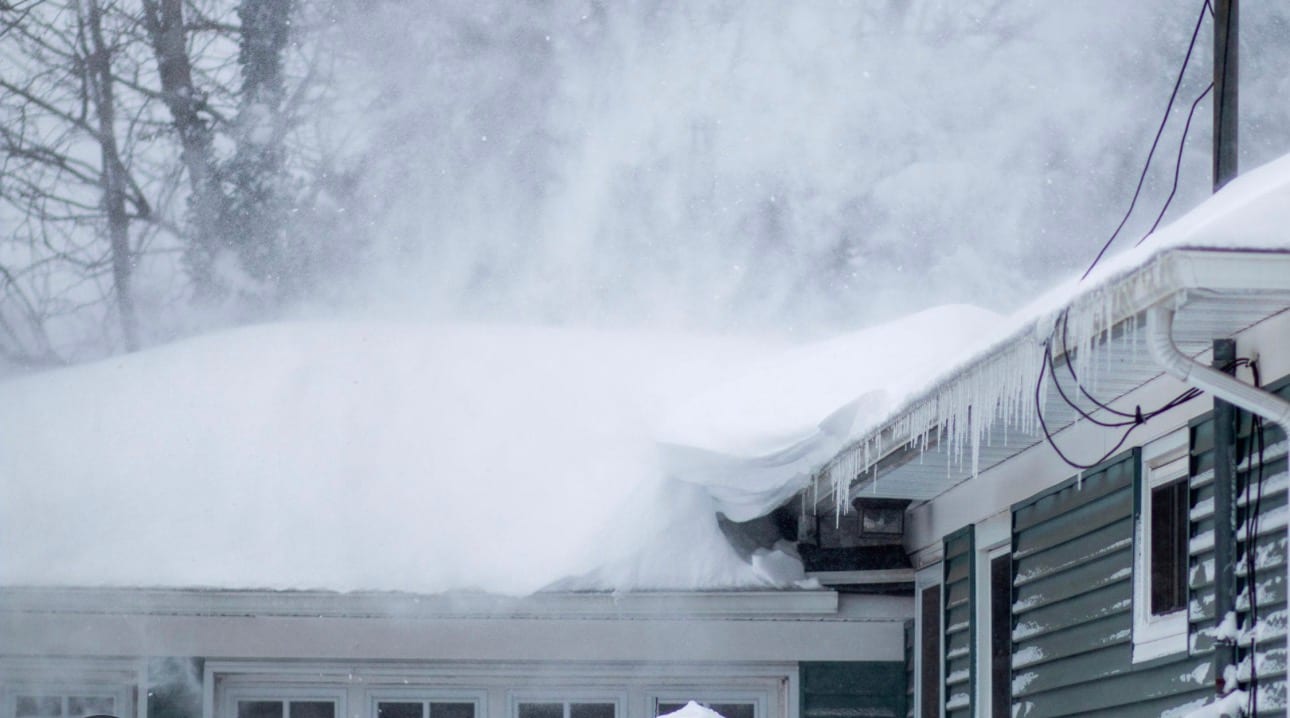
Winter brings its own trouble. Snow melts on a warm roof, then refreezes at the colder eaves and builds an ice dam. Water backs up behind the ice and seeps under the shingles. A lot of people take it for a rain leak because it shows up during a thaw or a winter rainstorm.
Freeze-thaw cycles do damage too. Water in small cracks freezes, expands and widens the gap. After a few winters, sealant around vents and chimneys dries out and splits. And many homes in the region are older, with slate, aging flashing, or more than one layer of shingles, which can hide problems for years.
When you spot a leak, protect the inside of the house. Leave the roof to a pro.
Catch the water. Put down buckets, towels or a tarp. Move furniture, rugs and electronics out of the way.
Stay clear of wet electrical. If water is near light fixtures, outlets or a ceiling fan, don't touch them. Turn off power to that area at the panel only if you can do it safely, and call an electrician.
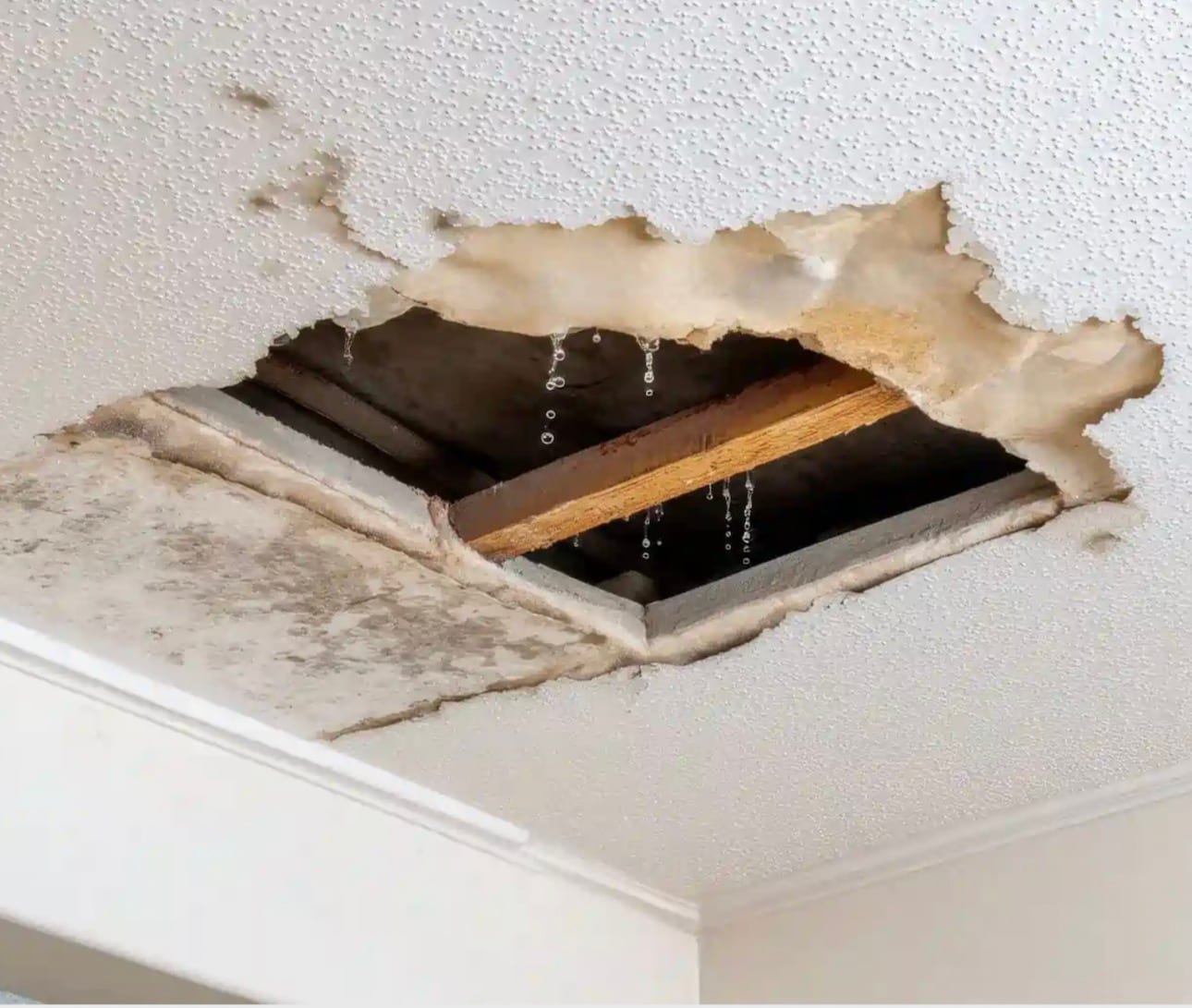
Watch the ceiling. A sagging or bulging ceiling can be holding a lot of water and may come down. Keep people and pets out of the room and tell your roofer or a contractor right away.
Check the attic if it's safe. Use a flashlight and look for wet insulation, dark stains on the wood, or drips. Step only on the framing, never between it.
Take photos and notes. Photograph the stain, the drip, and anything that got wet. Write down the date, time and weather. That helps the roofer and may help with an insurance claim. Check with your insurer about what they need.
Don't go on the roof during or after rain. Wet shingles, moss and ice are slippery, and falls from roofs are a serious risk. If the damage is large, a roofer can put on a temporary tarp safely.
Common causes of a roof leaking when it rains
Water often runs along rafters or the roof deck before it drips, so the stain on your ceiling can be several feet from the actual problem. These are the usual suspects.
Flashing failures
Flashing is the metal that seals the joints around chimneys, skylights, walls and valleys. Once it rusts, lifts or loses its sealant, wind-driven rain gets in. Chimneys are one of the most common leak spots on Northeast homes.
Damaged or missing shingles
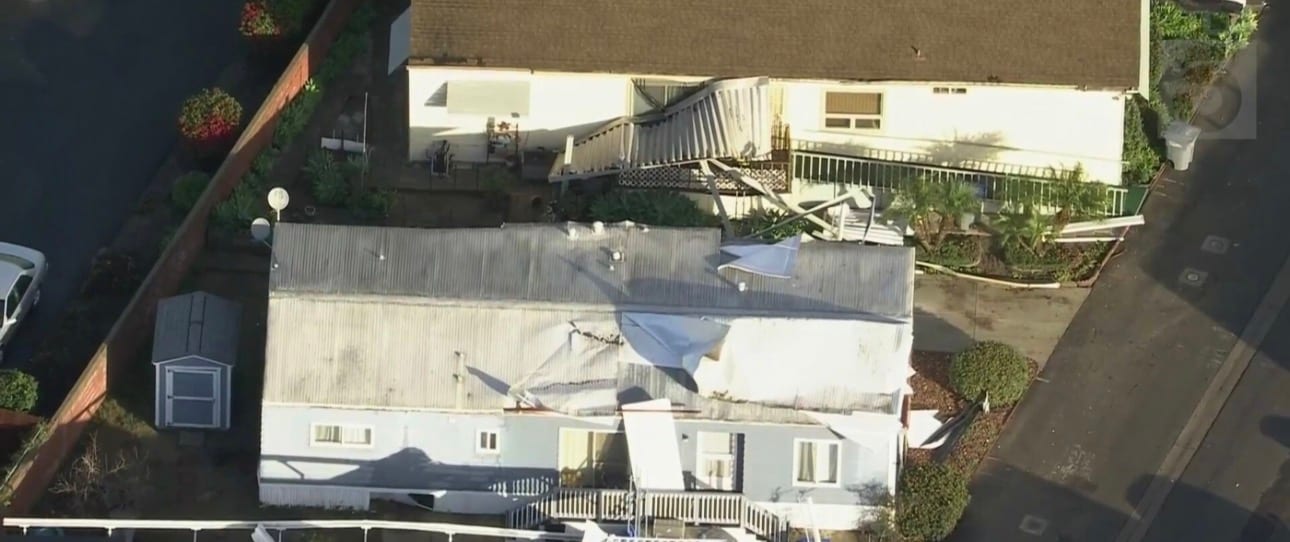
High winds can crease, lift or tear off shingles. Old shingles curl or lose granules. Either way, the layer underneath ends up exposed.
Worn pipe boots and vents
The rubber collars around plumbing vent pipes crack with age and sun. Small part, but a very common leak source.
Clogged gutters and ice dams
When gutters fill with leaves, water spills over or backs up under the roof edge. In winter that makes ice dams worse. Poor attic insulation and ventilation are often part of it too.
Skylights and valleys
Skylights can leak at the seal or the flashing. Valleys, where two roof slopes meet, carry a lot of water and wear out faster if they weren't built right.
Roof leak repair costs in NJ, PA and NY
Costs swing a lot depending on region, roof type, pitch, access and how much hidden damage turns up. Treat these as rough ranges, not quotes:
Small repairs (a few shingles, a pipe boot, resealing): often a few hundred dollars up to around $1,000.
Flashing repair or replacement (chimney, wall or skylight): often roughly $500 to $2,500, more for complex chimneys or masonry work.
Larger section repairs with rotted decking: often $1,500 to $5,000 or more.
Slate, tile or flat roofs: usually cost more because they need special skills and materials.
Prices around New York City and northern New Jersey tend to run higher than in rural Pennsylvania or upstate New York. Emergency calls during a storm may cost more too. Get at least two or three written estimates and ask what's included, like disposal, decking and interior checks.
Don't forget the damage inside. Wet insulation, drywall and paint may need repair once the roof is fixed. If water sat for a while, ask about drying things out and checking for mold.
A single leak on a fairly new roof is almost always a repair. Replacement makes more sense when:
The roof is near the end of its expected life for its material.
Leaks show up in several places, or keep coming back.
Shingles are curling, cracking or losing lots of granules across the roof.
The decking is soft or rotted in many areas.
You keep paying for patches year after year.
If you do replace, ask your roofer about ice and water barrier at the eaves and valleys, proper attic ventilation, and whether the old layers will be torn off. Rules on layers and ice barrier depend on your local code, so check local code or ask your roofer. Shingle warranties also depend on following the manufacturer's install rules. Our Roofing section has more on materials and planning a replacement.
For contractors: document every leak call
Leak calls can turn into callbacks, warranty questions or insurance claims. Good photos protect you and the homeowner. Shoot the interior stain, the attic, the roof area before you start, each step of the repair, and the finished job. Date and time stamps show when you were there and what you found.
CrewVisto keeps photos and videos filed by job, even with no signal on the roof. You can add labels and notes, mark up a photo to point out a failed flashing seam, and send a PDF photo report or share link so the homeowner sees exactly what got fixed. Learn more in CrewVisto Academy, and find tips on running a busier storm season in Contractor Business.
Common questions
Why does my roof only leak in heavy rain or wind?
Wind-driven rain can push water under shingles and behind flashing that stays dry in light rain. That usually points to a flashing, shingle edge or vent problem. A roofer can typically find it with a close inspection, sometimes with a water test.
Can I patch a roof leak myself?
We don't recommend it. Roof work is dangerous, especially on wet or steep roofs. Inside, you can safely catch water, move your things and take photos. Leave the roof itself to a licensed, insured roofer.
Will homeowners insurance cover a roof leak?
It depends on your policy and the cause, like a storm versus age or wear. Check with your insurer, and hang on to photos, dates and repair receipts.
How can I prevent leaks before winter?
Clean the gutters in the fall, have a roofer check flashing and pipe boots, and make sure your attic has good insulation and ventilation to help limit ice dams. Small fixes now cost less than water damage later. For more seasonal tips, see our DIY and Construction News sections.
Guides and news for contractors and homeowners from the team behind CrewVisto.
This article is general information. Codes, prices and warranties vary by town and product; have a licensed contractor look at your situation before you start.
Comments
Loading comments…
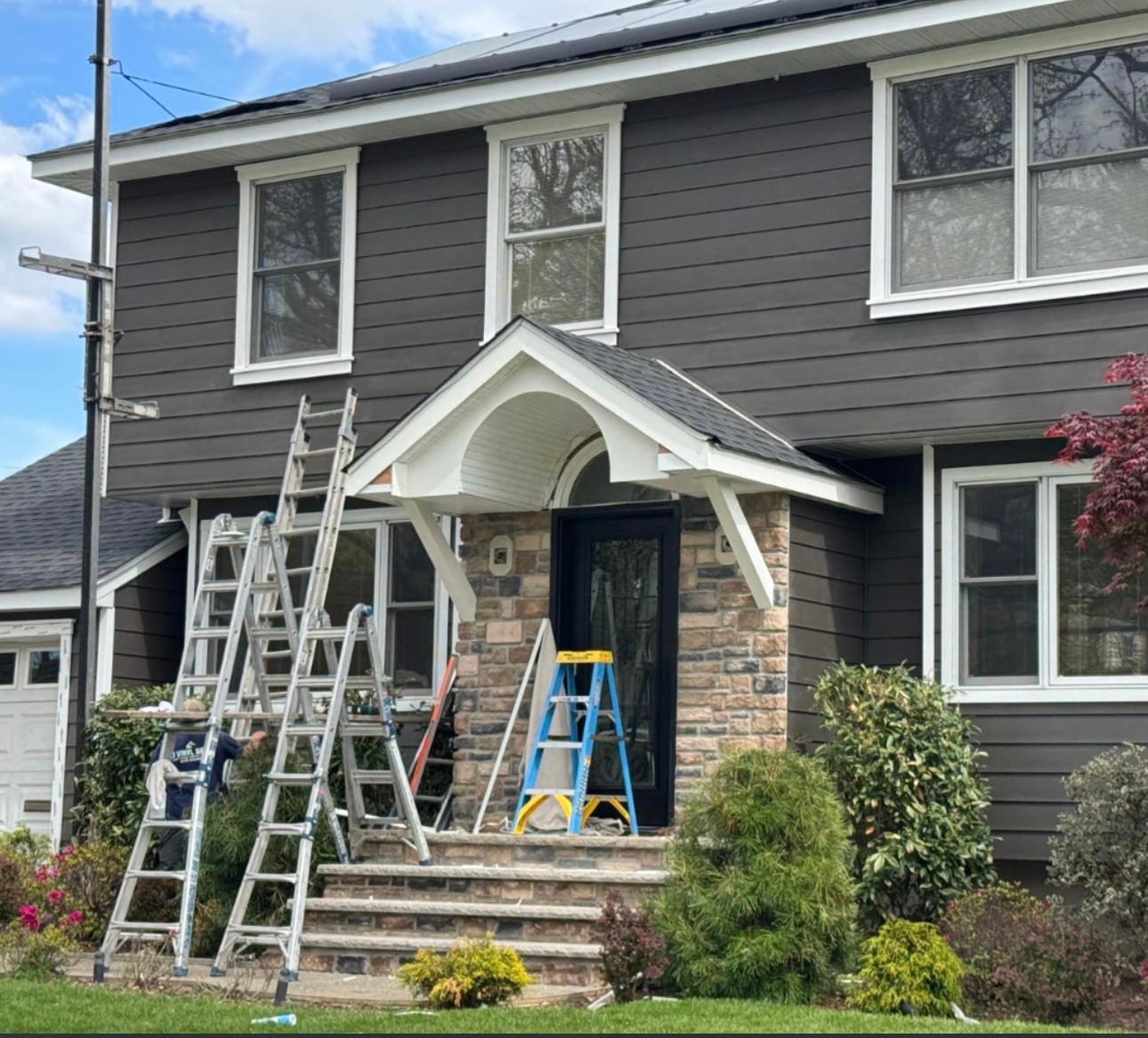
Why NJ, PA and NY homeowners are pairing new siding with roofing, windows and trim, plus how to sequence, budget and plan a whole-exterior remodel.

Comments
Loading comments…