
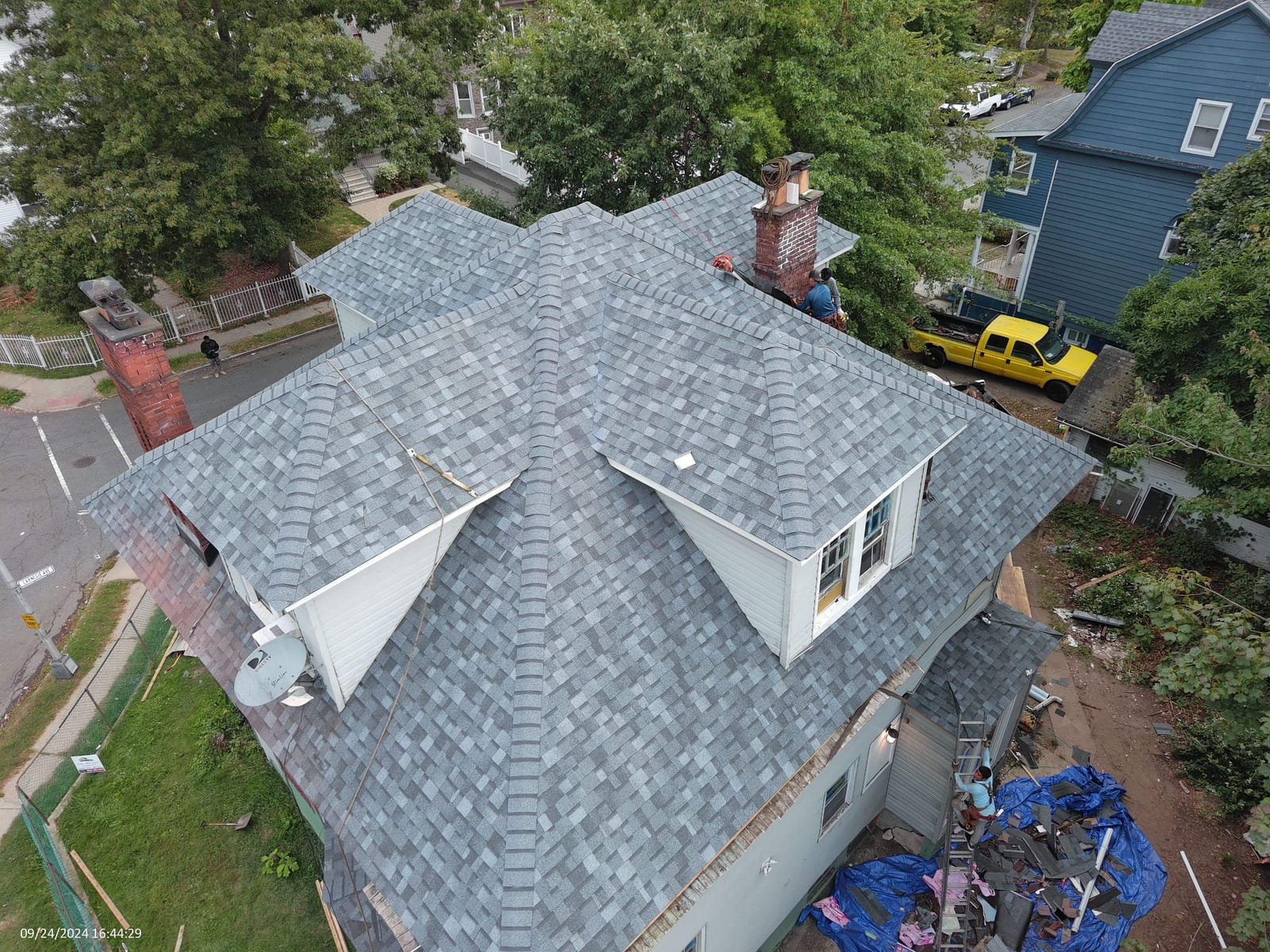
A leak or a few missing shingles doesn't automatically mean you need a new roof. But patching a roof that's near the end of its life can waste money. Here's how to think through repair versus replacement.
How old is the roof?
Asphalt shingle roofs commonly last somewhere around 15 to 30 years, depending on the shingle, the installation, ventilation and the weather. A roof well within its expected life with isolated damage is usually a repair. A roof near the end of its life with widespread wear is often a replacement.
How widespread is the damage?
- Isolated: a few blown-off shingles, one failed pipe boot, or flashing around one chimney. Usually a repair.
- Widespread: curling or cracking across whole slopes, heavy granule loss, or many soft spots in the decking. Often a replacement.
Is water getting in?
Repeated leaks in different places, stains on ceilings, or wet attic decking suggest the roof system is failing. A single leak from a known spot, like a vent, is often repairable.
How many layers are there?
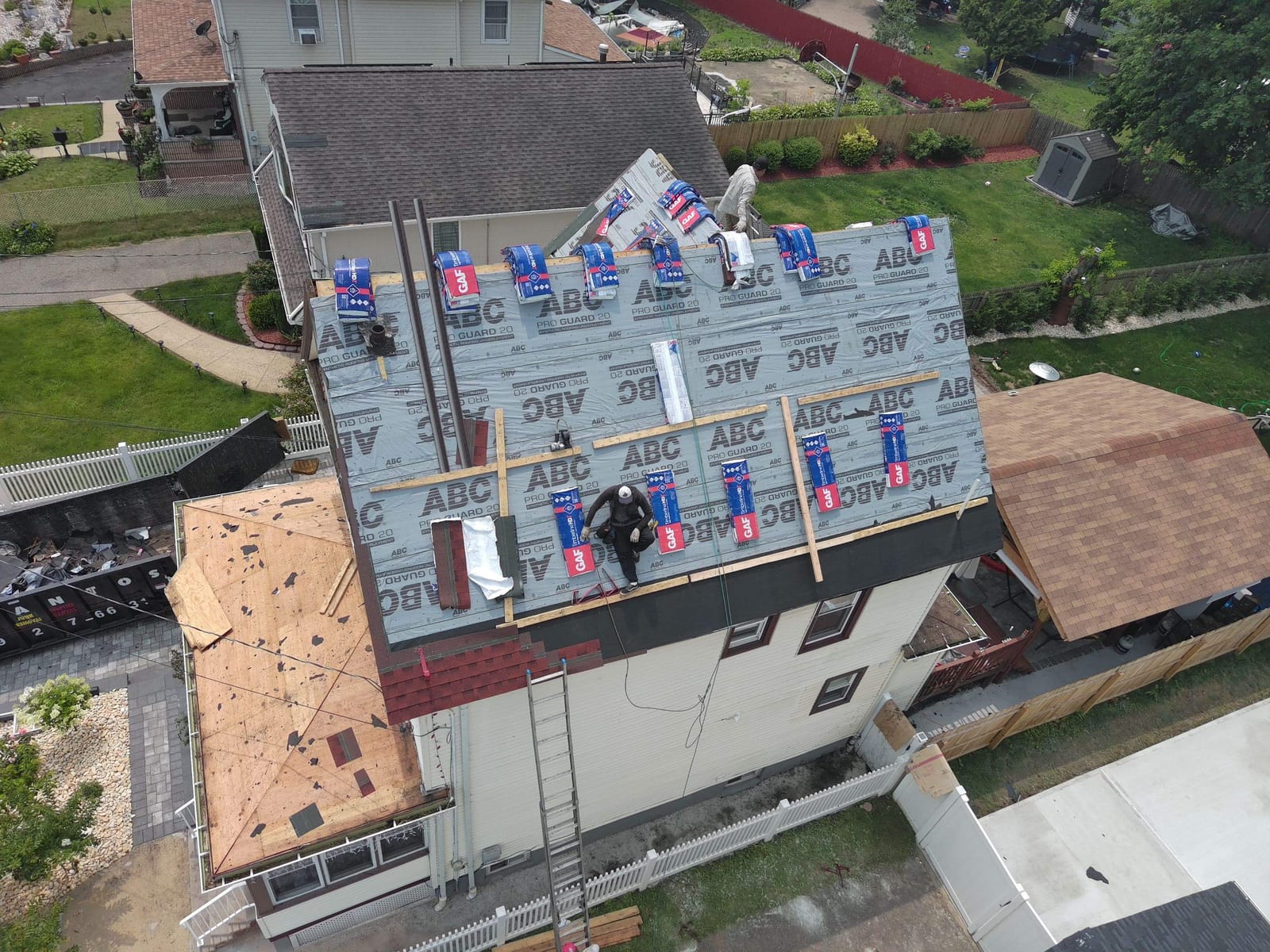
Many towns limit how many layers of shingles a roof can have. If there are already two layers, a new roof usually means tearing everything off. Check local code.
Think about cost over time
A repair costs less today, but several repairs on an aging roof can add up to a good share of a replacement. Ask your contractor for both options in writing.
Get it documented
Ask for photos of the damage and the decking. A good contractor will show you what they see on the roof, not just tell you.
Common questions
Can I replace just one side of the roof?
Sometimes, but matching shingles on an older roof can be hard, and it may affect warranties. Ask about both.
About the author
CrewVisto Editors
Guides and news for contractors and homeowners from the team behind CrewVisto.
This article is general information. Codes, prices and warranties vary by town and product; have a licensed contractor look at your situation before you start.
Comments
Loading comments…