
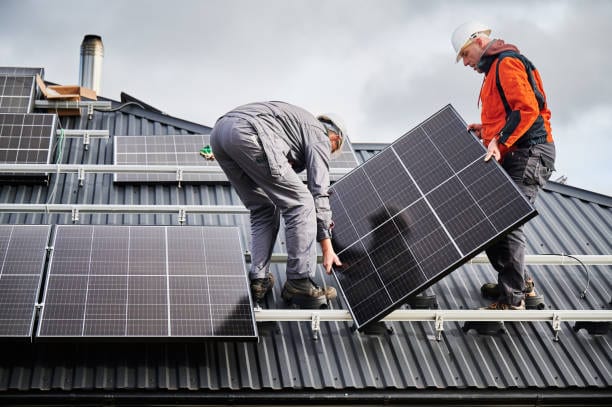
A homeowner paid about $110,000 for a Tesla Solar Roof that never produced any power, and the company has now been found liable for fraud, according to a recent report. If you're in New Jersey, Pennsylvania or New York and thinking about a solar roof, here's the takeaway: a roof that looks finished isn't the same as a system that works. Get clear milestones in writing, track every step, and don't treat the job as done until the system is actually making power.
What happened
The Cool Down reported that a Tesla Solar Roof costing roughly $110,000 never generated electricity, and that the company is now liable for fraud.
The headline and short summary we have leave a lot out. We don't know where the home is, which court or body made the decision, what went wrong with the system, or whether the company plans to appeal. So treat this as a developing story. For the full picture, read the original report and keep an eye out for follow-up coverage.
Why this matters to homeowners
A solar roof is really two jobs. One is a roof that has to keep water out. The other is an electrical system that has to be designed, inspected and connected to the grid. A crew can finish the roofing side and leave you with something that looks great from the street while the power side is still stuck.
That gap is where homeowners get hurt. If most of the money changes hands when the tiles go on, you may not have much leverage left if the system never turns on.
In the Northeast, a solar system usually can't run until a few things happen:
- Local building and electrical permits are approved and inspections are passed. Rules vary by town, so check local code.
- Your utility approves the connection to the grid. This is often called permission to operate.
- The installer turns on the system and sets up monitoring so you can see what it produces.
Any of these steps can stall. Some delay is normal. A system that never makes power isn't.
What homeowners can do before signing
You don't have to be an expert to protect yourself. You need a good contract and a paper trail.
Source: The Cool Down
About the author
CrewVisto Editors
Guides and news for contractors and homeowners from the team behind CrewVisto.
This article is general information. Codes, prices and warranties vary by town and product; have a licensed contractor look at your situation before you start.
Comments
Loading comments…