For an average-size house in New Jersey, Pennsylvania or New York, a new asphalt shingle roof often costs somewhere around $10,000 to $25,000. Simple ranches land at the low end. Big, steep or complicated roofs can go well past that. Metal and slate roofs cost much more. Your real price depends on your roof's size and shape, the materials you pick, what's under the old shingles, and local labor rates. Treat every number here as a starting point for planning, not a quote.
Below we break down what drives the price, what's different about roofing in the Northeast, and how to compare bids. If you're a contractor, there's a section for you too.
How much does a new roof cost by material?
Roofers price by the "square." One square equals 100 square feet of roof surface, which is larger than your home's floor space because of slope and overhangs. A 1,800-square-foot house might have 20 to 30 squares of roof.
Here are rough installed ranges per square foot of roof, including tear-off of one layer. They vary a lot by region, materials and the home:
3-tab asphalt shingles: about $4 to $7 per sq ft. Fewer contractors install these now, and some suppliers carry less of them.
Architectural (dimensional) asphalt shingles: about $5 to $10 per sq ft. This is the most common choice in the Northeast.
Standing seam metal: about $10 to $20 or more per sq ft.
Natural slate: often $20 to $40 or more per sq ft, and repairs to existing slate are a specialty trade.
Synthetic slate or shake: usually between asphalt and real slate.
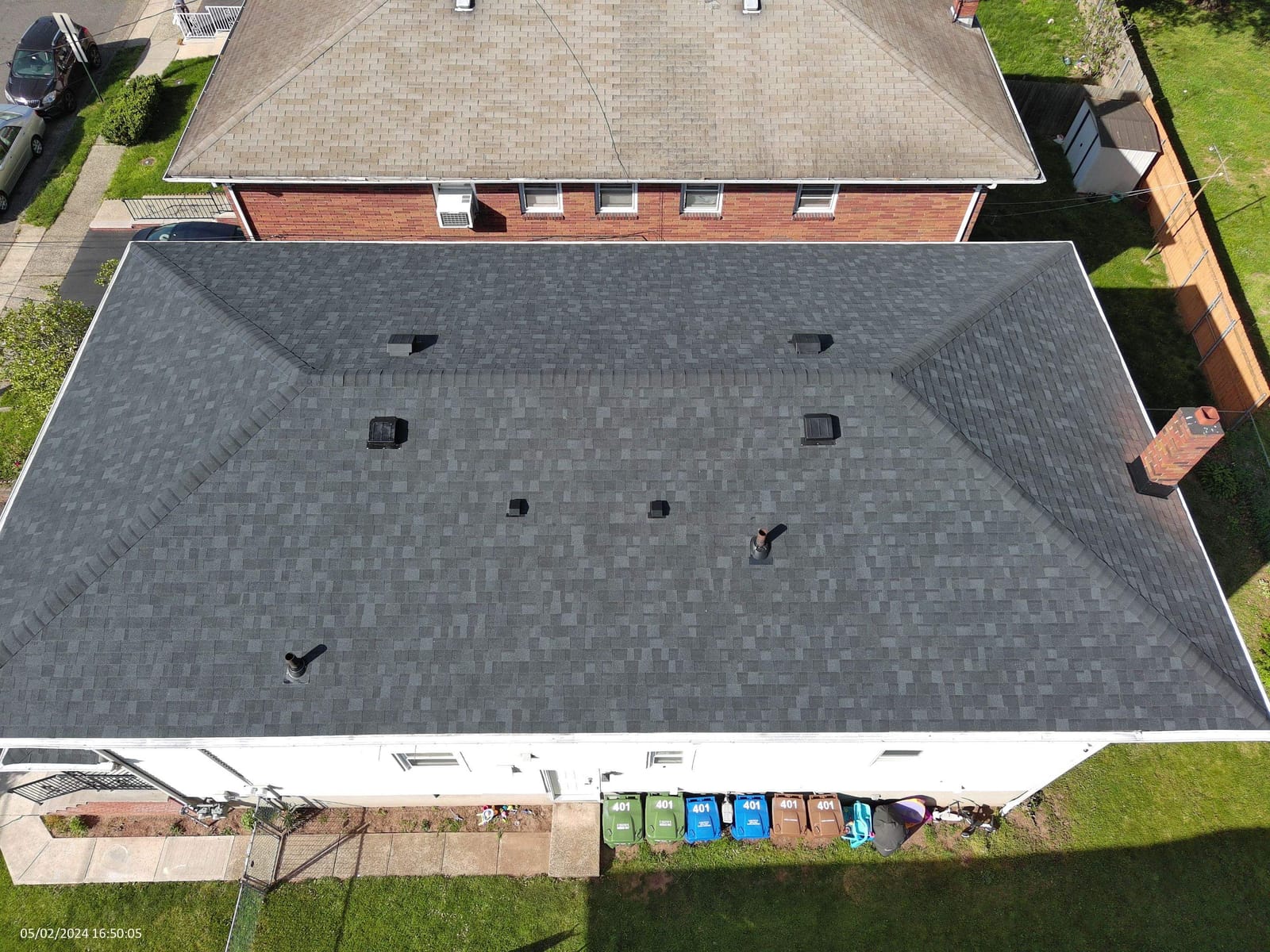
North Jersey, the New York City suburbs and Long Island tend to run higher than rural Pennsylvania or upstate New York, mostly because of labor and disposal costs. You can see what finished jobs look like in your area by browsing real finished projects from contractors near you.
What drives the price up or down
Two roofs with the same square footage can have very different prices. These are the big factors:
Pitch: Steep roofs need more safety gear, staging and time. Many crews add a charge once the slope gets too steep to walk safely.
Complexity: Dormers, valleys, hips, skylights and multiple levels add labor and flashing.
Guides and news for contractors and homeowners from the team behind CrewVisto.
This article is general information. Codes, prices and warranties vary by town and product; have a licensed contractor look at your situation before you start.
Layers to remove: Tearing off two or three old layers costs more in labor and dumpster fees.
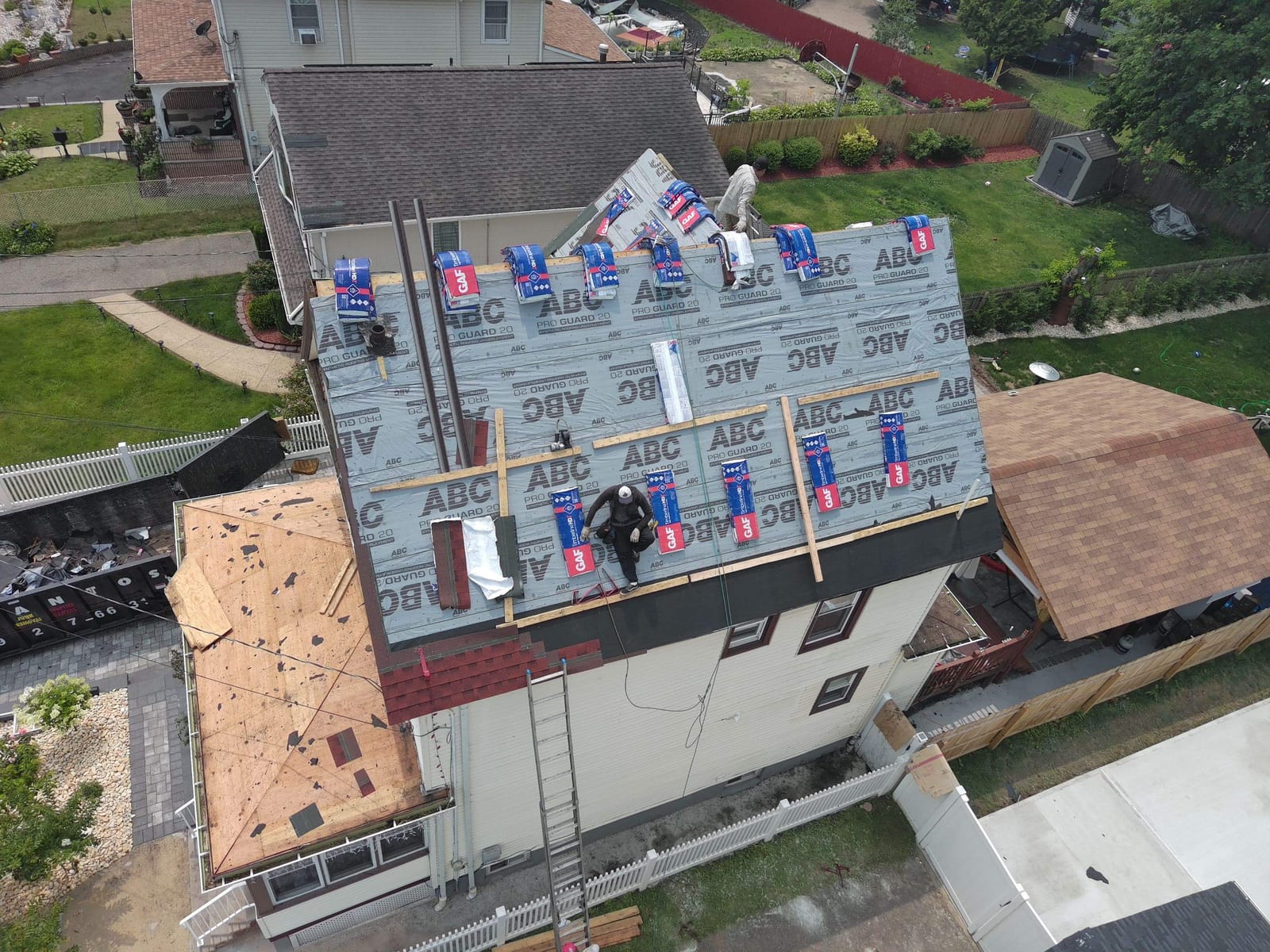
Decking condition: Rotted or soft plywood has to be replaced. Most quotes list a price per sheet because nobody knows how much is bad until the old roof is off.
Access: Tight lots, long carries, landscaping and attached neighbors (common in rowhomes) slow things down.
Upgrades: Better underlayment, ridge vents, new gutters, drip edge and higher-tier shingles all add cost.
Warranty level: Some manufacturer warranties require a full system of their own parts and a certified installer. Check the manufacturer's terms.
Northeast roofing costs you should plan for
Our climate and housing stock create costs you might not see in a national average.
Ice and water protection
Freeze-thaw cycles and ice dams are a real problem here. Codes in cold areas generally require an ice barrier membrane along the eaves, and many roofers also run it in valleys and around chimneys and skylights. How far up the roof it must go depends on your local code, so ask your contractor what your town requires.
Older homes and plank decking
Many homes in Pennsylvania, New Jersey and New York are 70 to 100+ years old. Some have board (plank) decking with gaps, multiple shingle layers, or even old wood shakes underneath. Contractors may need to add plywood sheathing over planks, which adds cost. Ask how they handle this before you sign.
Chimneys and flashing
Old brick chimneys are everywhere in the region. New flashing is usually part of a good roof job. If the chimney itself needs repointing or rebuilding, that's often a separate cost, sometimes from a mason.
Permits and weather
Most towns require a permit for a roof replacement, and fees vary. Winter installs are possible, but cold weather can affect how shingles seal, and snow delays happen. Spring and early fall fill up fast, so book early. For more seasonal advice, see our Roofing section.
How to read and compare roofing quotes
Get at least two or three written estimates. A low price only means something if the bids cover the same work. Line them up and check for:
Number of squares and the waste factor used
Number of layers being removed
Shingle brand, product line and color
Underlayment type and where ice barrier goes
Drip edge, flashing, pipe boots and ventilation
Price per sheet for any rotted decking
Permit, dumpster and cleanup (including magnetic nail sweep)
Workmanship warranty length, in writing
Payment schedule and start window
Ask to see photos of the contractor's past jobs, and ask whether they'll photograph your roof deck once the old shingles are off. Good contractors document hidden damage so you can see why a change order happened.
Also confirm the contractor is licensed or registered where required. New Jersey and Pennsylvania have home improvement contractor registration rules, and many New York counties and cities have their own licensing. Check your state and local rules, and ask for a certificate of insurance.
One safety note: please don't go up on your roof to measure or inspect it yourself. Falls from roofs cause serious injuries. Let a professional do it, or use photos the contractor provides.
For contractors: pricing and protecting your Northeast jobs
Pricing roofs here is about more than squares times a number. Old homes hide surprises, and homeowners get nervous about change orders. A few habits help:
Walk the attic when you can. Staining, daylight and soft spots tell you a lot.
Put your per-sheet decking price and per-layer tear-off price right in the estimate.
Photograph the roof before, during and after. Shots of rotted decking, missing ice barrier or bad flashing explain extra charges better than words.
Share those photos with the homeowner the same day.
CrewVisto helps with that last part. The app works offline on the roof, files photos and videos by job, adds date and time stamps, and lets you mark up photos with notes and arrows. You can send the homeowner a share link or a PDF photo report. Learn more in CrewVisto Academy, and find ideas on estimating and sales in Contractor Business.
Common questions
Can I put new shingles over my old roof to save money?
Sometimes. Building codes generally allow a limited number of layers, and an overlay hides decking problems and may affect your shingle warranty. Many Northeast roofers recommend a full tear-off, especially on older homes. Check local code and the manufacturer's terms.
Will homeowners insurance pay for a new roof?
It depends on your policy and the cause. Sudden storm damage may be covered, while wear and age usually are not. Check with your insurer before you sign a contract based on a claim.
How long does a roof replacement take?
Many asphalt roofs on typical homes take one to three days. Large, steep or slate roofs take longer, and weather can push the schedule.
Is metal or slate worth the extra cost?
Both can last much longer than asphalt, but the upfront price is much higher. It makes the most sense if you plan to stay in the home a long time or if the house has historic slate worth keeping. Ask contractors to price both options so you can compare.
When is the best time to replace a roof in the Northeast?
Late spring through fall usually gives the best working conditions. Winter installs can be done, but book with a contractor who explains how they handle cold-weather sealing and snow delays.
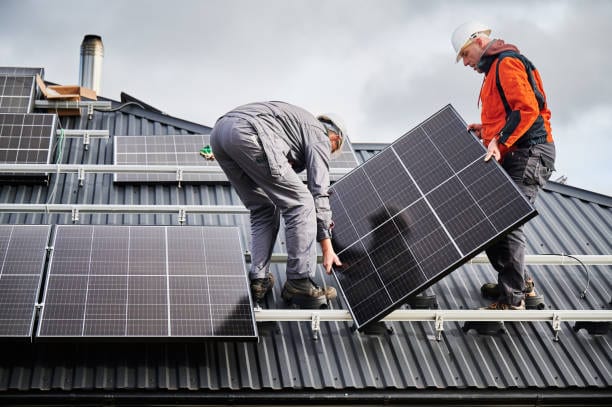
A $110,000 Tesla Solar Roof reportedly never made power, and the company was found liable for fraud. Here's how Northeast homeowners can protect themselves.

Comments
Loading comments…